In a world dominated by digital communication, the humble business card might seem like a relic of the past. However, business cards remain an essential tool for professionals. Unlike digital contacts that can get lost in the vast expanse of a CRM system, a tangible business card can make a lasting impression and even bring business years down the line.
Tangible Connections in a Digital World
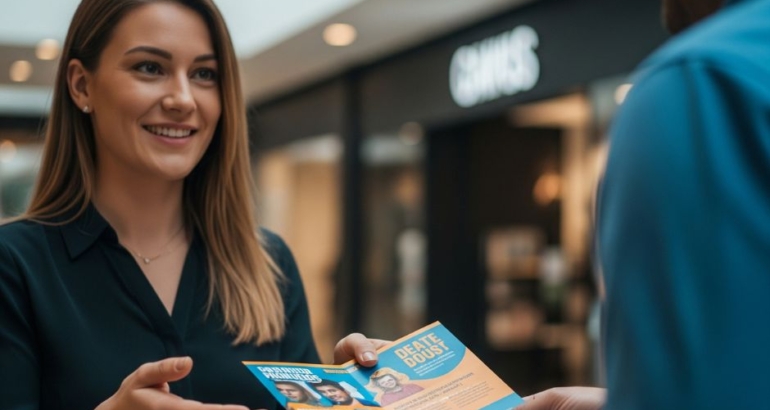
Despite the convenience of digital contact management, business cards offer a tactile experience that technology cannot replicate. Handing over a card during a face-to-face meeting provides a personal touch, fostering a deeper connection. People are more likely to remember a conversation accompanied by a physical card than a quick exchange of digital information. The weight, texture, and design of the card can also convey a lot about your brand and personality, leaving a memorable impression.
Moreover, business cards are always accessible. While digital information can get buried under a mountain of emails and electronic contacts, a business card can sit on a desk, be pinned to a bulletin board, or tucked into a wallet, ready for future reference. This physical presence ensures your contact information is easily accessible when the need arises.
A Tool for Creative Expression
Business cards offer an opportunity for creativity and personal branding that digital formats lack. A well-designed card can communicate your professionalism and style at a glance. Consider the impact of a cleverly designed card that reflects your brand’s colours, logo, and ethos. It’s not just a piece of paper; it’s a miniature advertisement for your business.
For instance, a graphic designer might use an eye-catching design, while a consultant might opt for a clean, professional look. The choices you make in card design can set you apart from competitors and make you memorable long after the initial meeting.
Bridging Generations and Cultures
While younger professionals might lean towards digital solutions, many seasoned professionals still prefer traditional methods of networking. Business cards bridge this gap, accommodating preferences across generations. They also cater to international business practices where exchanging business cards is a cultural norm.
In many countries, the exchange of business cards is a formal ritual, signalling the start of a business relationship. In Japan, for example, the act of giving and receiving a business card, or “meishi,” follows a specific etiquette, reflecting the respect and seriousness of the interaction. Ignoring such practices can inadvertently offend potential clients or partners.
The Long-Term Benefits of Business Cards
Business cards provide long-term benefits that digital contacts cannot match. They are physical reminders of connections made, fostering enduring business relationships. An email address or phone number might change, but a business card often remains as a lasting symbol of your professional identity.
Moreover, business cards can lead to unexpected opportunities. Imagine a scenario where a potential client finds your card months or even years after your initial meeting. That card can spark a memory and prompt a business inquiry, proving that business cards can be a valuable investment in future opportunities.
Business cards hold their ground in the modern business landscape by offering a tangible, creative, and culturally sensitive way to share contact information. They bridge generational and cultural divides, making them an indispensable tool for networking. Unlike digital contacts that can get lost in the ether of a CRM system, business cards serve as enduring reminders of professional connections, often leading to business opportunities long after the initial exchange. So, the next time you head to a meeting or a networking event, make sure you have a stack of well-designed business cards at the ready. They might just open doors you didn’t even know existed.