In this electronic age, we have witnessed an unprecedented revolution in communication and networking. With the emergence of digital platforms and applications, our personal and professional lives have become increasingly intertwined with technology. As a result, the traditional, printed business card has been challenged by digital alternatives such as e-cards and virtual contact sharing. Despite this, the printed business card still holds an essential place in our modern world. Here are several reasons why.
- Tangible First Impressions
First impressions play a crucial role in the business world, and printed business cards offer a personal touch that electronic alternatives cannot replicate. A well-designed, high-quality business card communicates professionalism, credibility, and attention to detail, and its tactile nature can evoke a sense of connection with the cardholder. In contrast, digital exchanges can feel impersonal and detached, which may not generate the same level of trust and rapport.
- Expansive Design Options
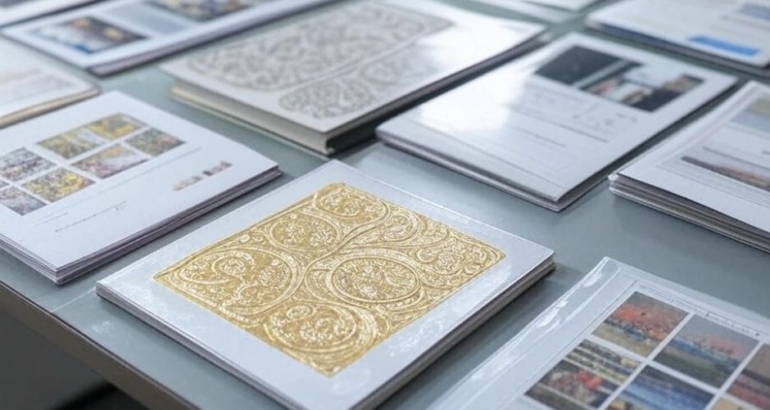
The printed business card provides a unique canvas for creative expression. With a wealth of design possibilities, including various paper types, textures, and finishes, one can create a distinctive and memorable card that captures their brand identity. This level of customisation is difficult to achieve with electronic cards, which often have standard templates and limited options.
- Accessibility and Inclusivity
Printed business cards can be exchanged regardless of the recipient’s technological know-how or access to electronic devices. This accessibility makes them a practical tool for networking across different age groups and socioeconomic backgrounds. Digital alternatives may exclude individuals who are not comfortable or unable to engage with technology, potentially causing missed opportunities and weakened business connections.
- No Dependency on Electronic Devices
Networking events, conferences, and casual encounters often present opportunities for exchanging business cards. Unlike digital alternatives, printed business cards do not require internet access, battery life, or a specific device to function. They are always accessible and can be readily handed out in any situation. Relying solely on electronic methods for sharing contact information can lead to missed opportunities if the device is inaccessible, has no connectivity, or the recipient’s device is incompatible.
- Cross-Cultural Considerations
In some cultures, exchanging printed business cards is an important part of social etiquette and professional decorum. In countries such as Japan and China, the practice of presenting and receiving business cards holds significant cultural meaning, and adhering to these customs can foster respect and trust. Ignoring these cultural norms by exclusively utilising digital alternatives may lead to negative impressions and potential misunderstandings.
- Longevity and Recall
The physical presence of a printed business card can serve as a reminder of a professional encounter, potentially leading to future business opportunities. With electronic cards, contact details can be quickly forgotten or lost in the digital clutter of our electronic devices. In contrast, a printed business card’s tangible presence can spark memory recall and encourage follow-up actions, such as an email, phone call, or meeting.
- Back-up Option
While electronic methods of exchanging contact information are undoubtedly convenient, they can also fail. A printed business card provides a reliable backup to ensure that one’s contact information is always available, regardless of technological glitches or mishaps. Additionally, a physical business card can be scanned and stored electronically, providing a bridge between the traditional and digital worlds.
Conclusion
While the electronic age has undoubtedly revolutionised our networking capabilities, the printed business card continues to hold a vital place in the professional realm. The tangible nature of printed business cards allows for personal connection, creative expression, and accessibility across cultural and technological divides. Although electronic alternatives are becoming increasingly popular, the advantages of printed business cards demonstrate that there is still a place for them in our modern world. By embracing both traditional and digital networking tools, professionals can maximise their potential